BEFORE LAUNCHING
One question. A clear objective.
We discuss your level, what you feel on the water and what you want to achieve. A conditions briefing sets the exercises, reference points and priorities.
A session moves from briefing to targeted exercises and debrief. The training focus adapts to your class, your level and the conditions.
We discuss your level, what you feel on the water and what you want to achieve. A conditions briefing sets the exercises, reference points and priorities.
Observation of boat handling and manoeuvres, repeated work on a few key details, and adjustments to the programme as the session develops.
We revisit the key moments, compare observations with what you felt, and select the points to take into your next session.
Footage reveals timing, position, coordination and trim. Pausing and revisiting a moment connects feedback to something you can see.
Filming and debrief agreed as part of your programmeAerial footage can reveal tracks, distances and the wider situation. Drone filming is considered when it adds useful information to the work.
On request, subject to feasibility and operating conditionsAcross sailing classes, GPS tracks help compare repeated exercises and revisit changes in speed. Your coach interprets them alongside the conditions and what you felt on the water.
Explore SailVector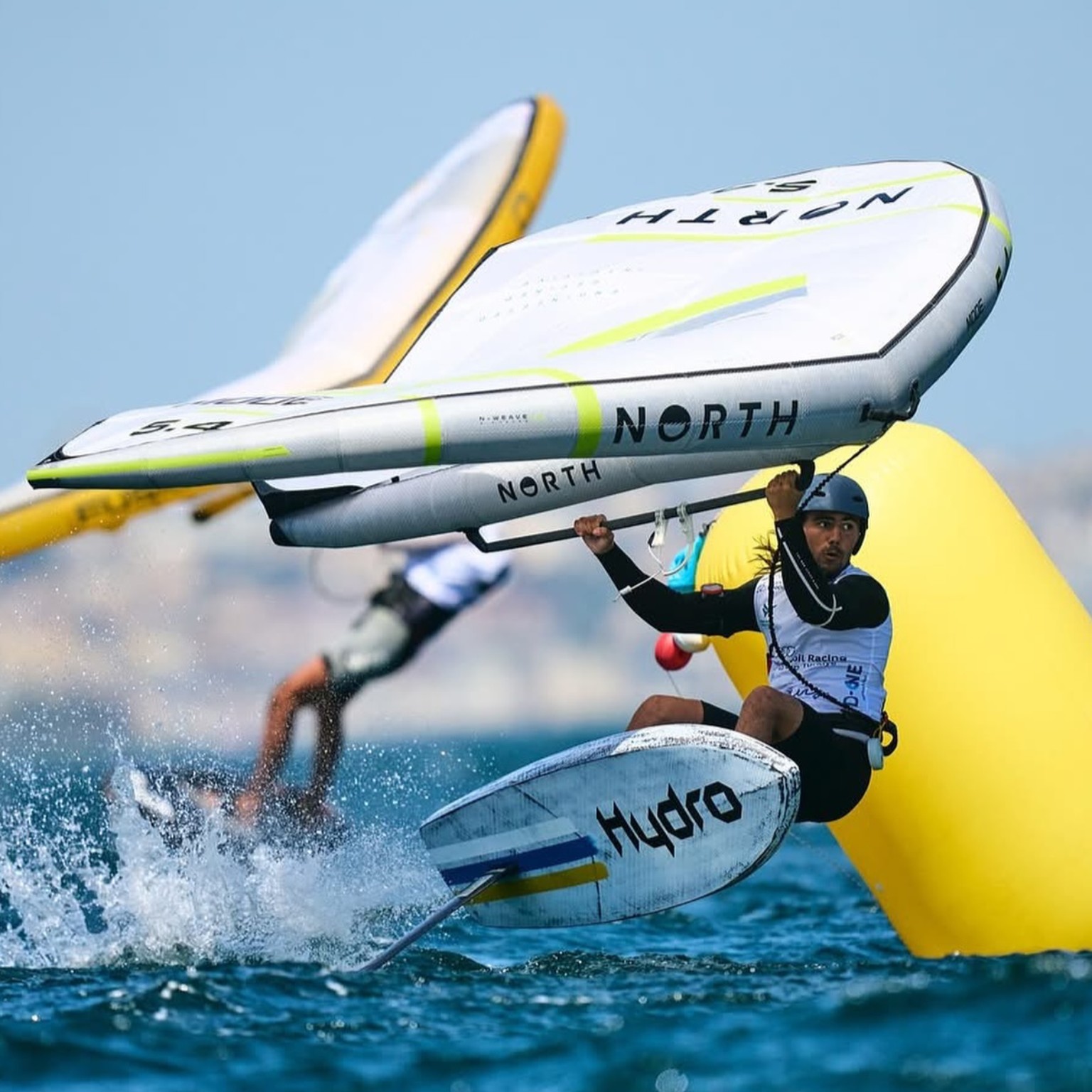
Board handling, sustained flight and manoeuvres. SailVector analysis of GPS tracks can support this work.
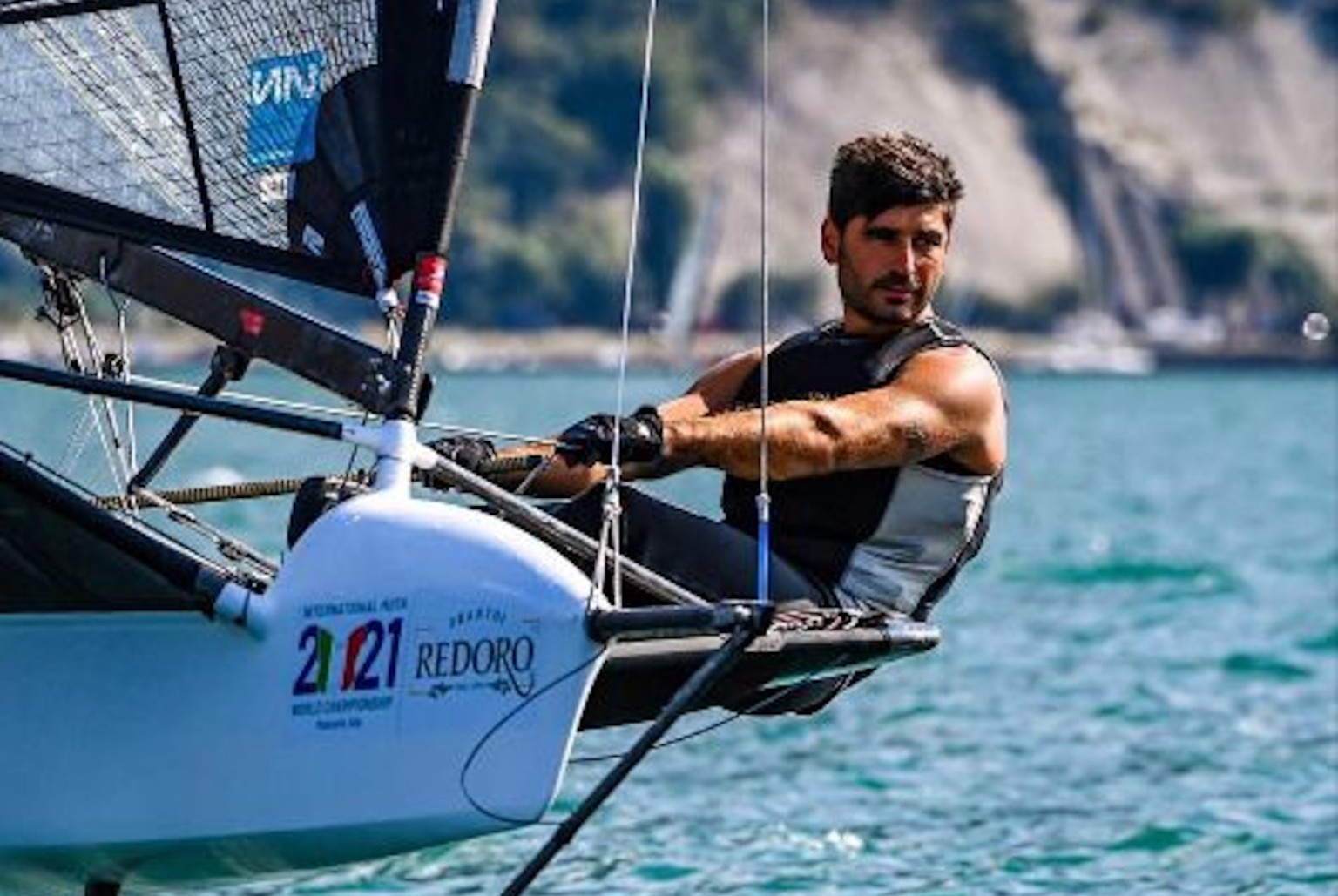
Foiling, trim and sensitivity to settings. A programme built around your boat, level of independence and technical objective.
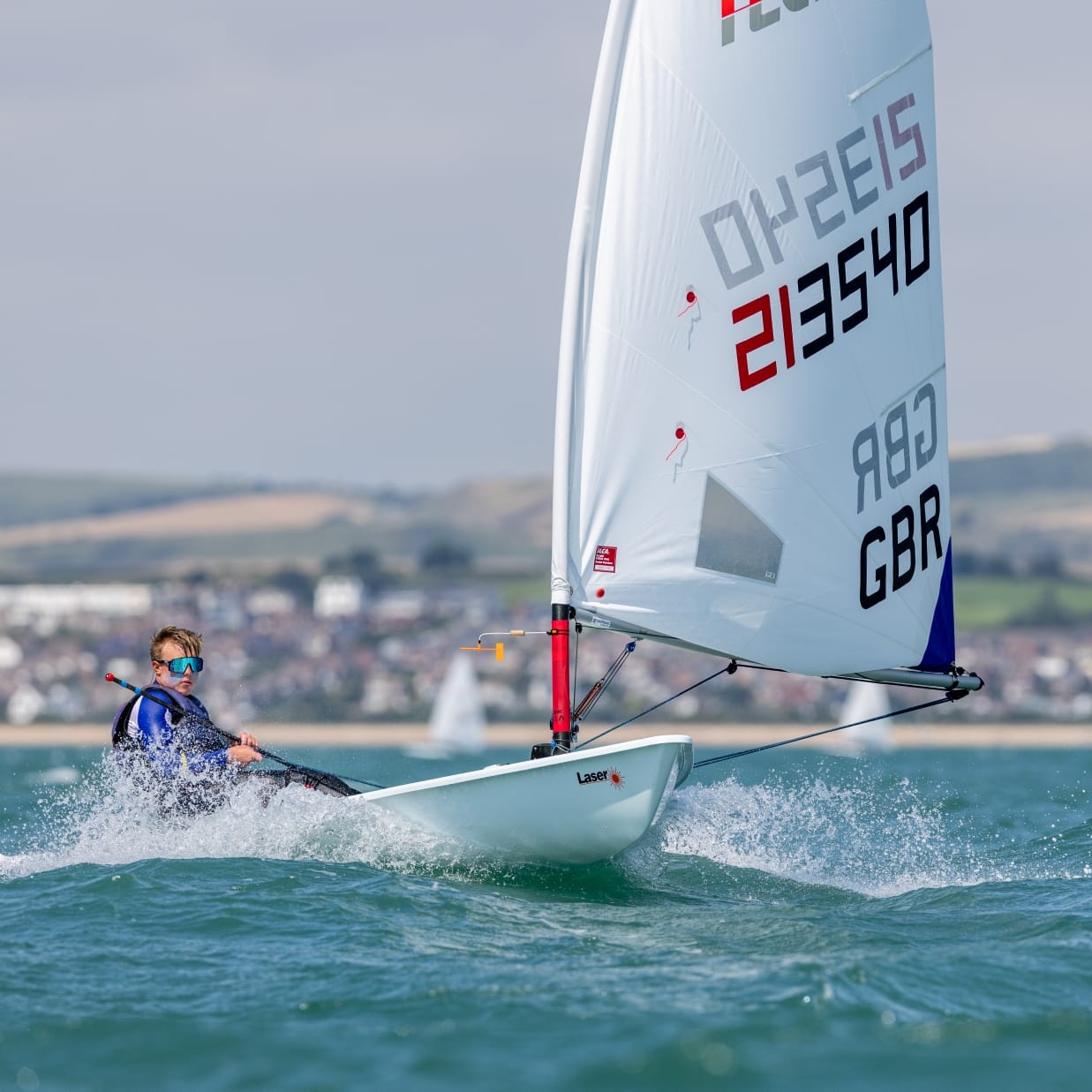
Boat handling, manoeuvres, starts and reading the racecourse. Focused work to turn a technical detail into a habit.
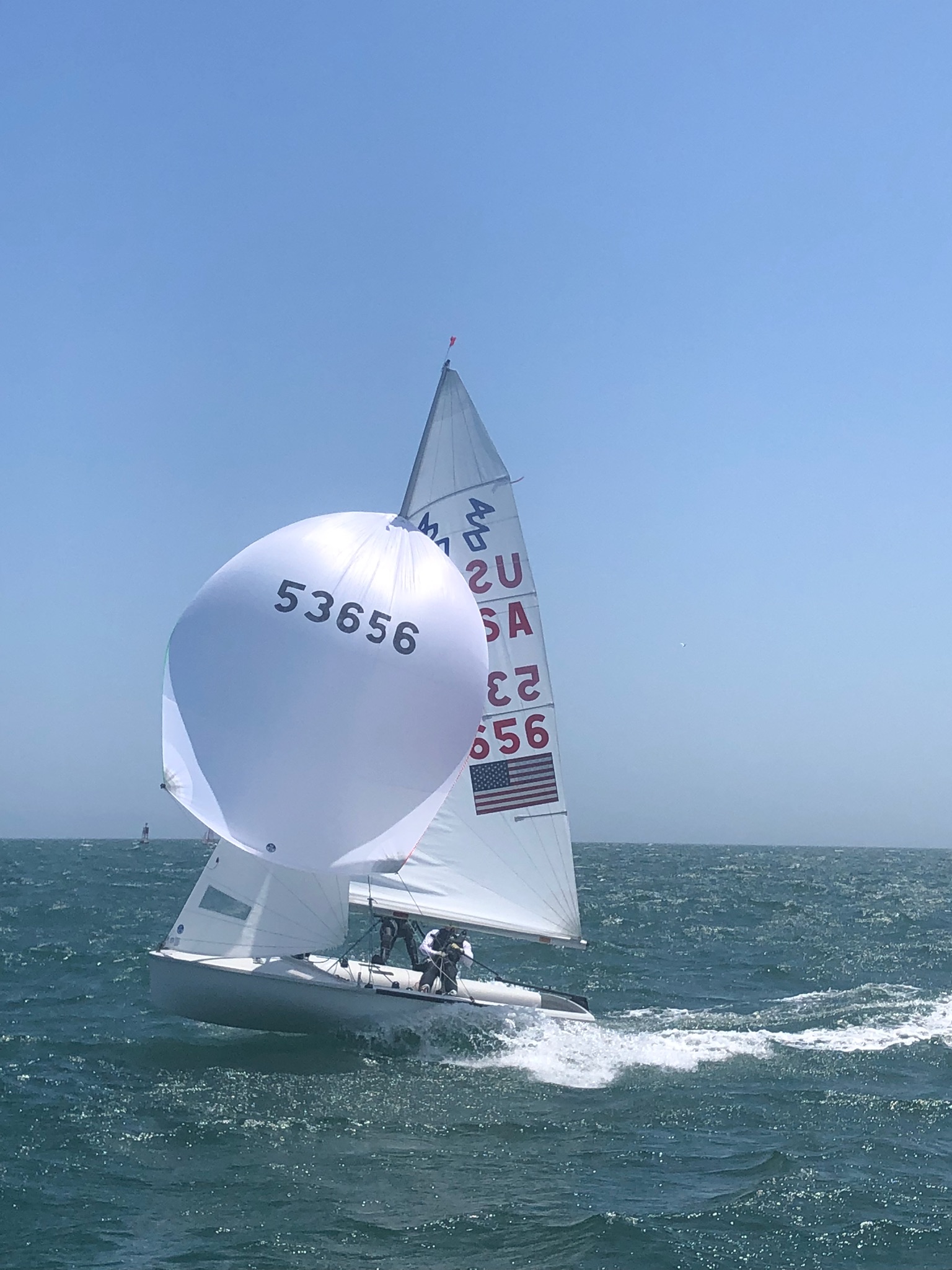
Build coordination between helm and crew, from trapeze work and spinnaker handling to starts and race preparation.
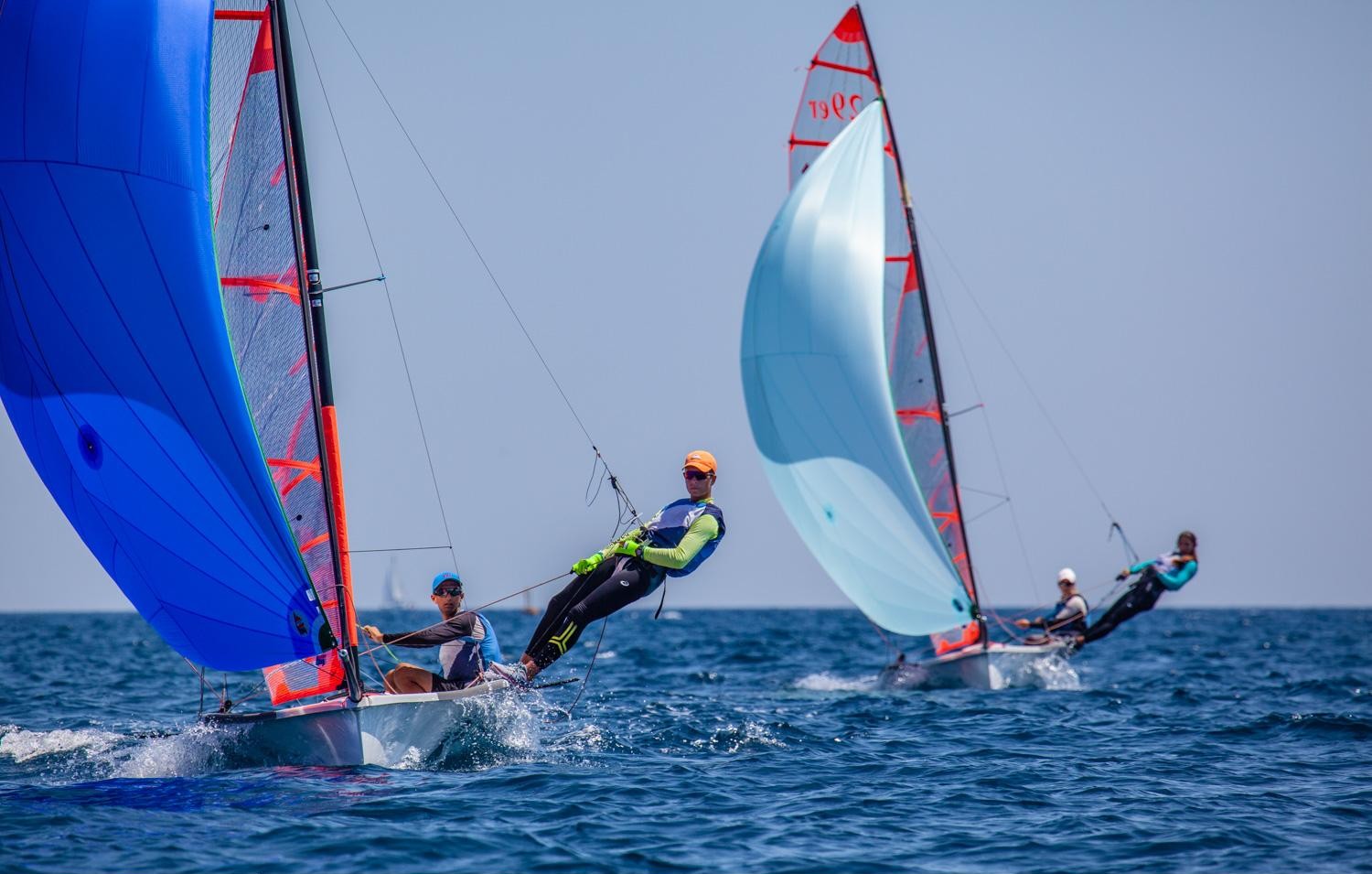
Timing, crew coordination and managing transitions. Video helps both sailors revisit the key moments together.
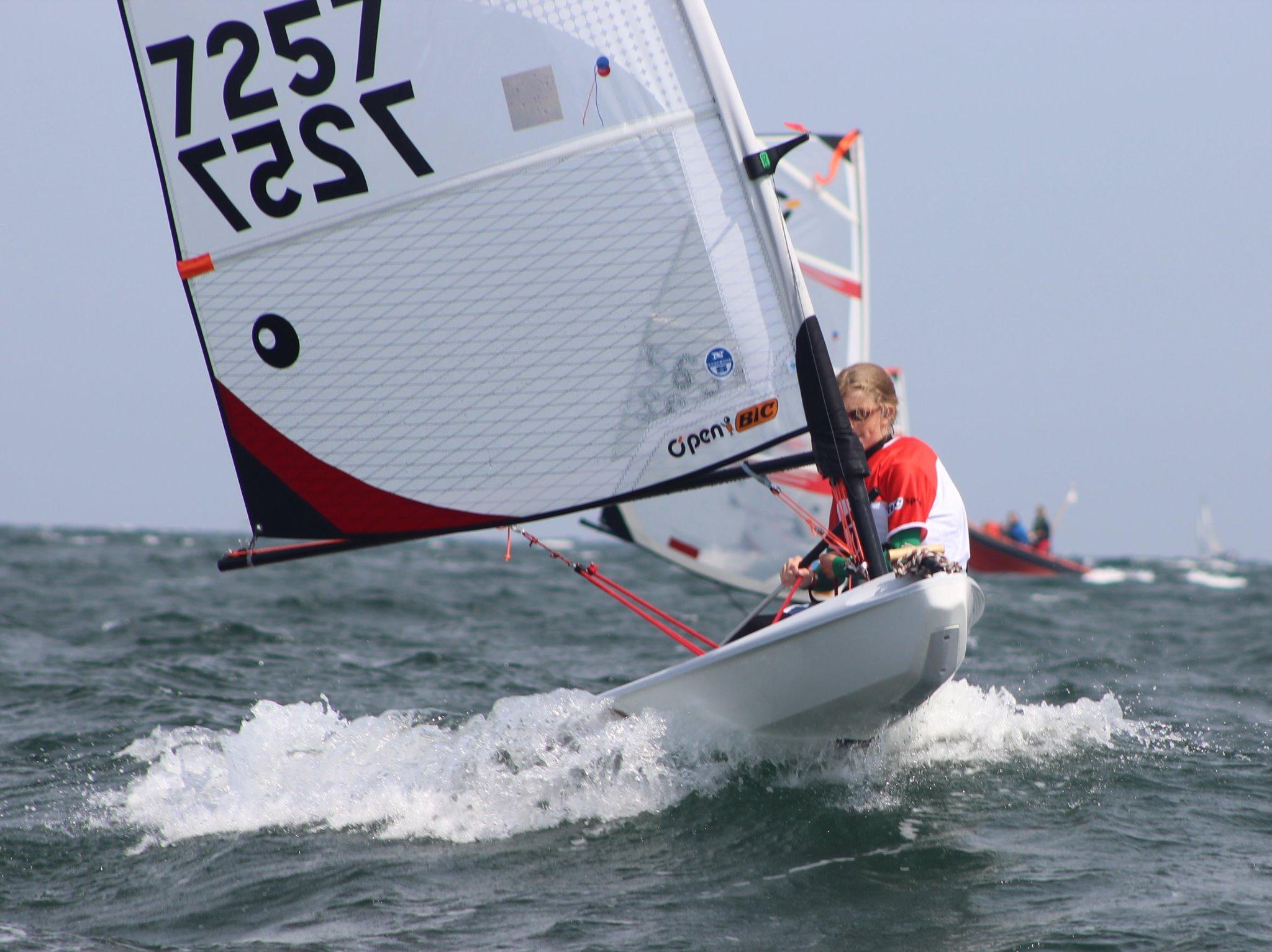
Technical progression and independence, with exercises suited to the young sailor’s level. Enjoying sailing remains part of the journey.
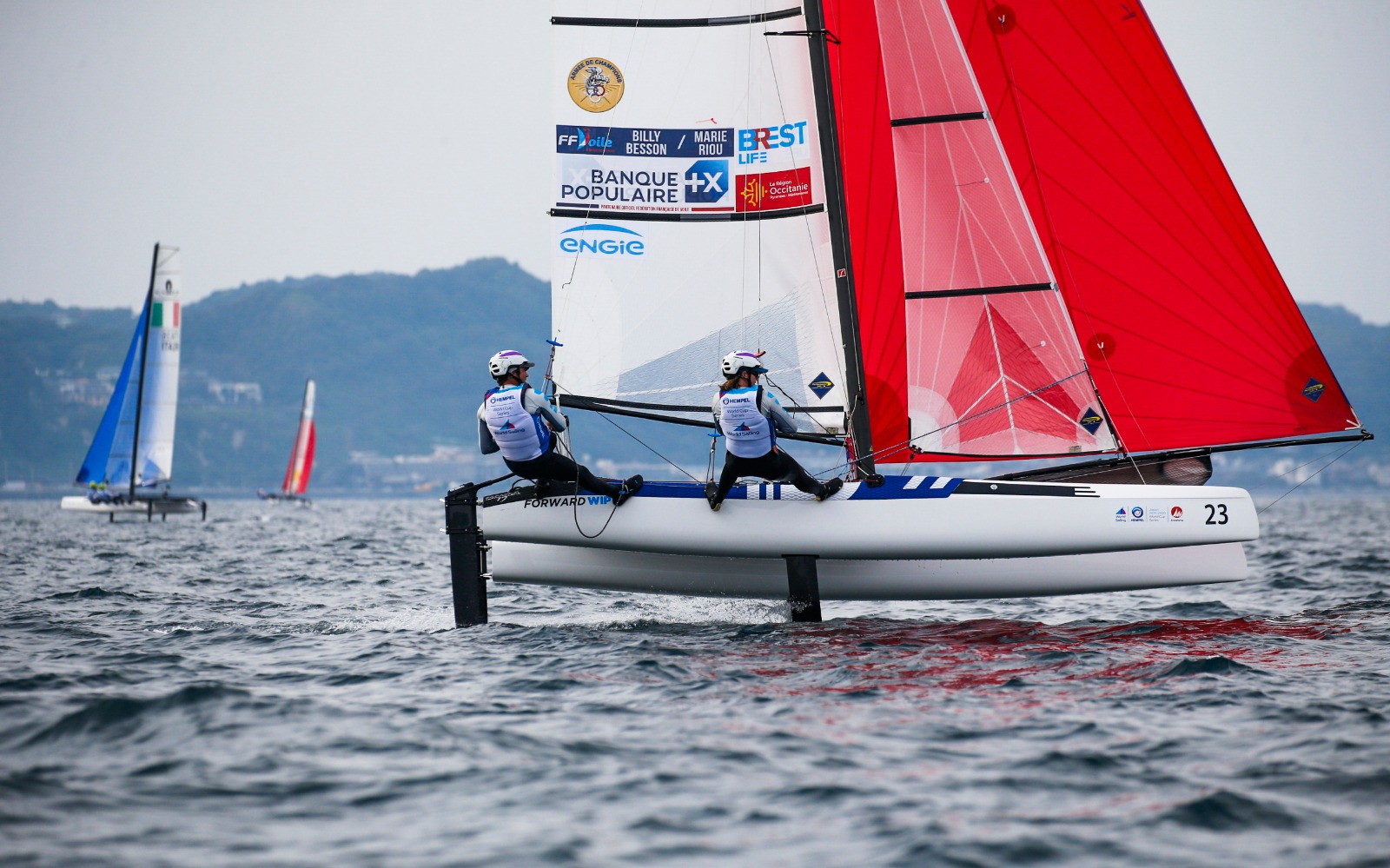
Projects for other dinghies or multihulls are assessed together. Objectives, equipment and technical support are agreed before the programme starts.
7 disciplines and coaching areas
These photographs illustrate the disciplines. They do not identify sailors coached by Sailing Nerd. Authors & licences ↗
Tell me what you sail and what you want to work on. We can assess whether I can offer the right support.
PUT THE METHOD INTO PRACTICE